Ametrine
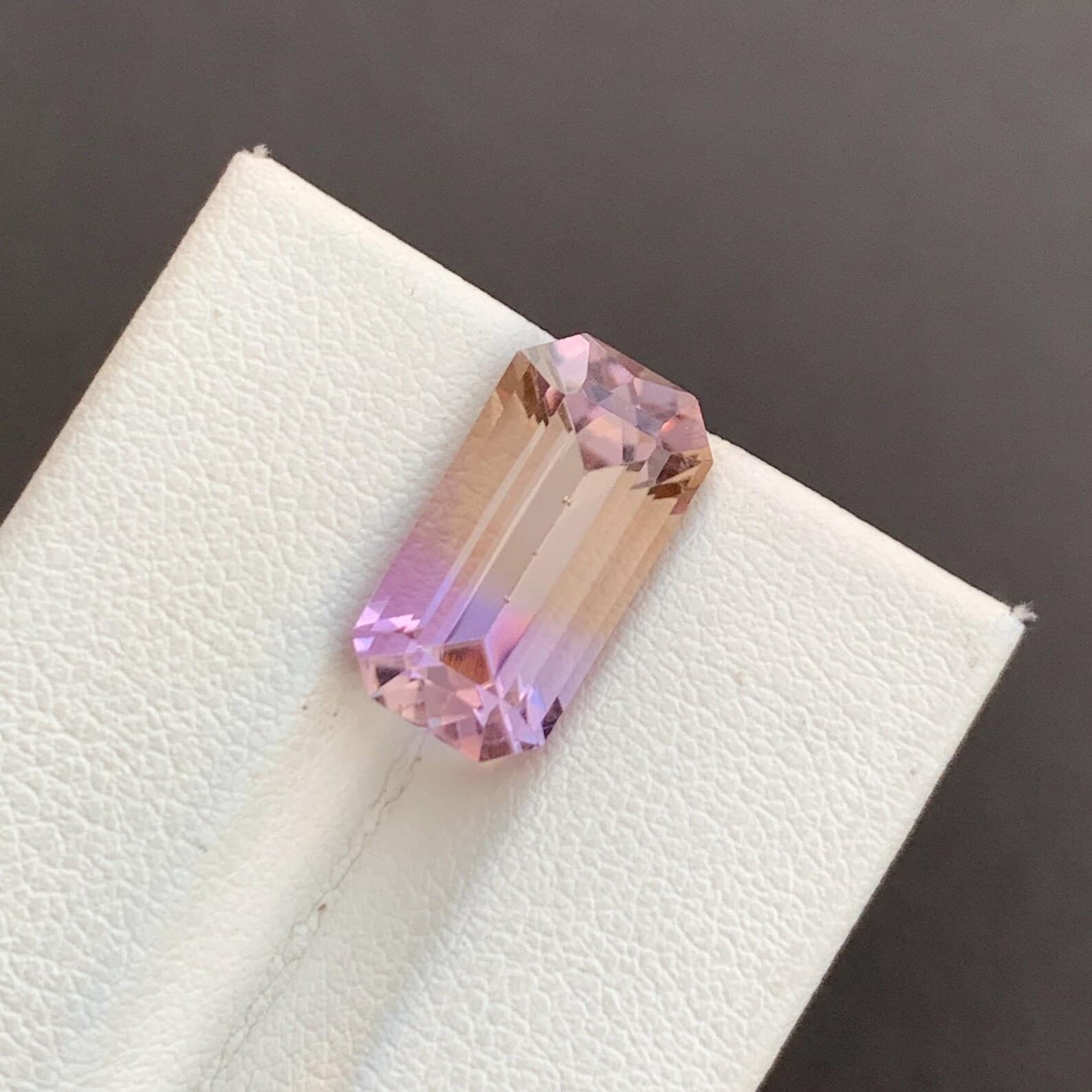
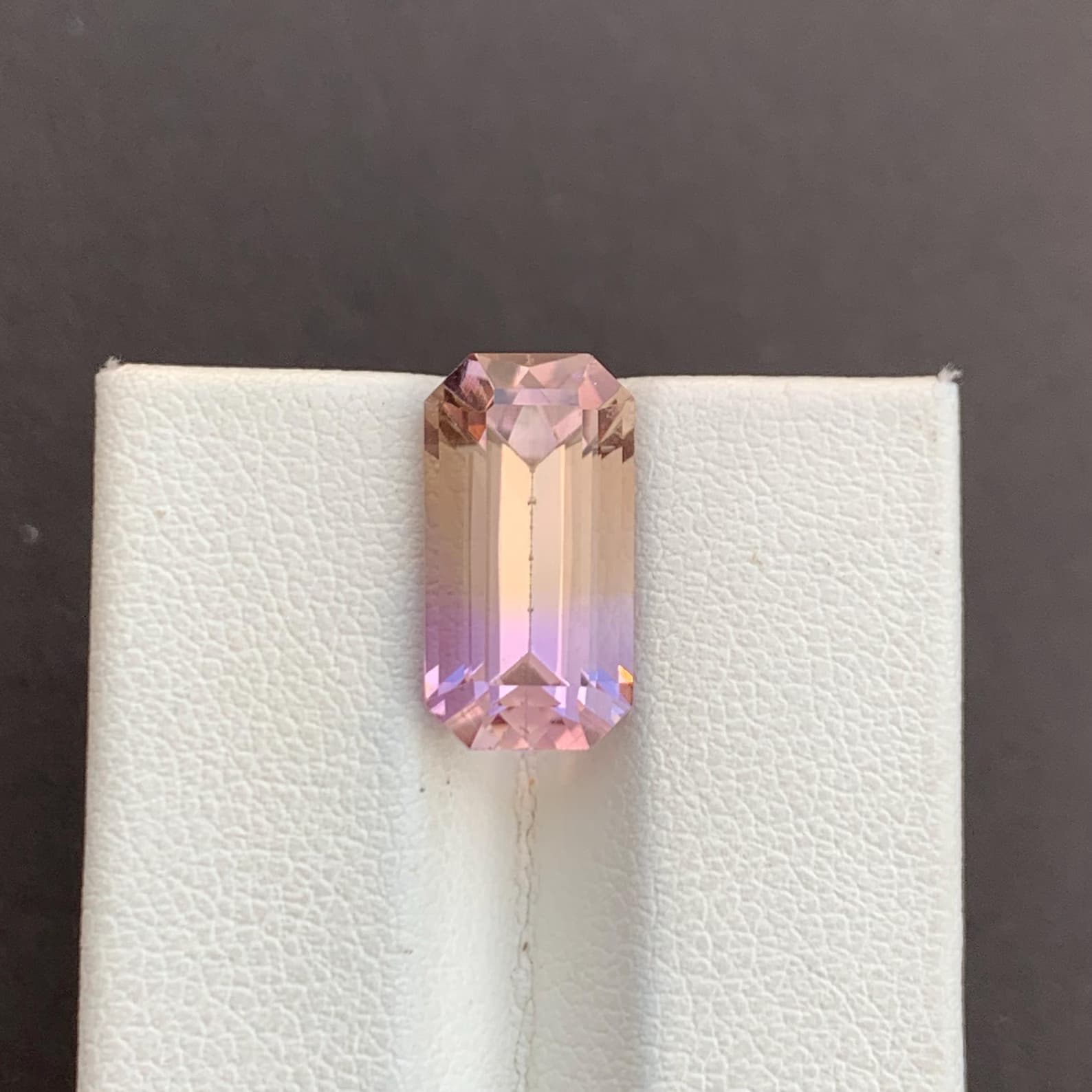
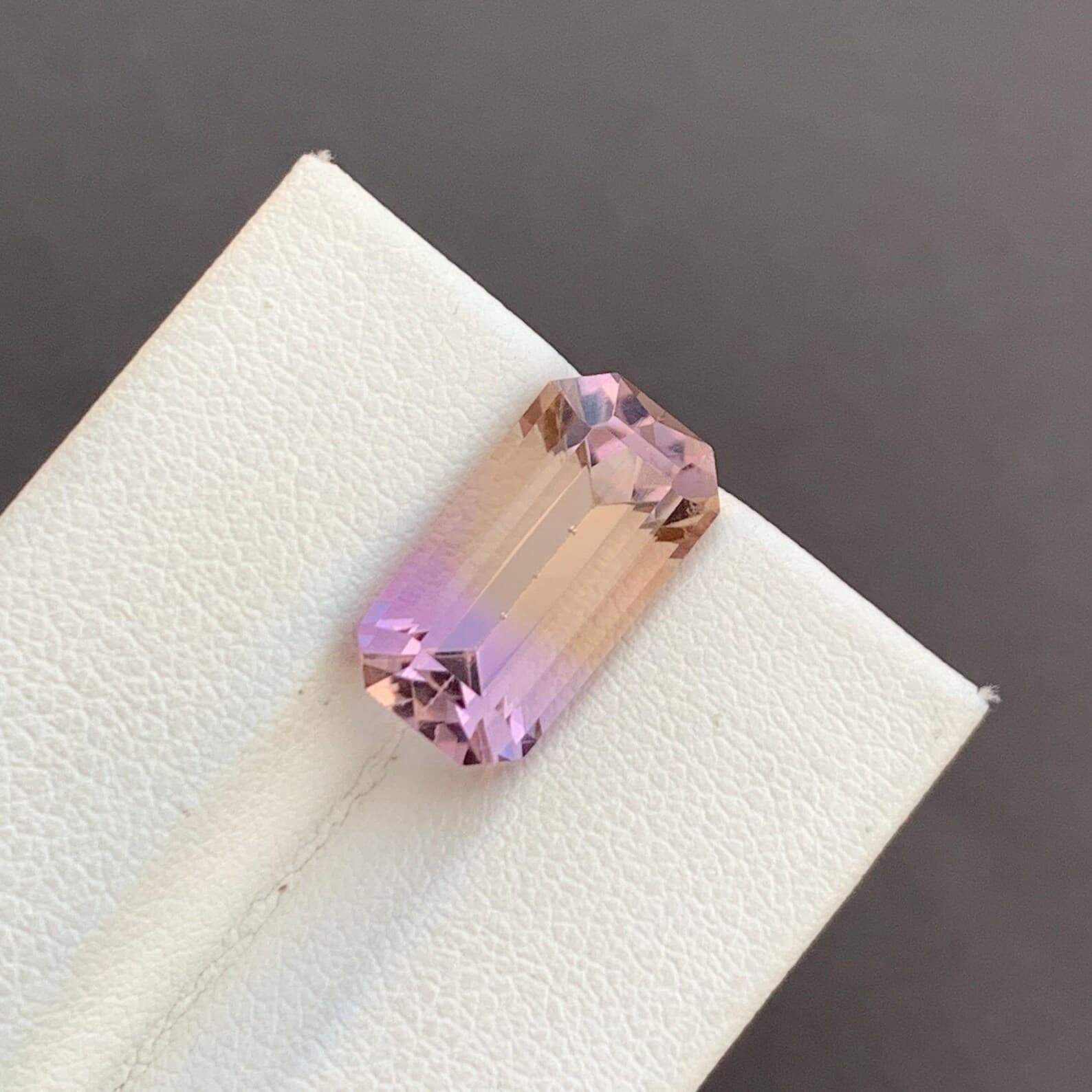
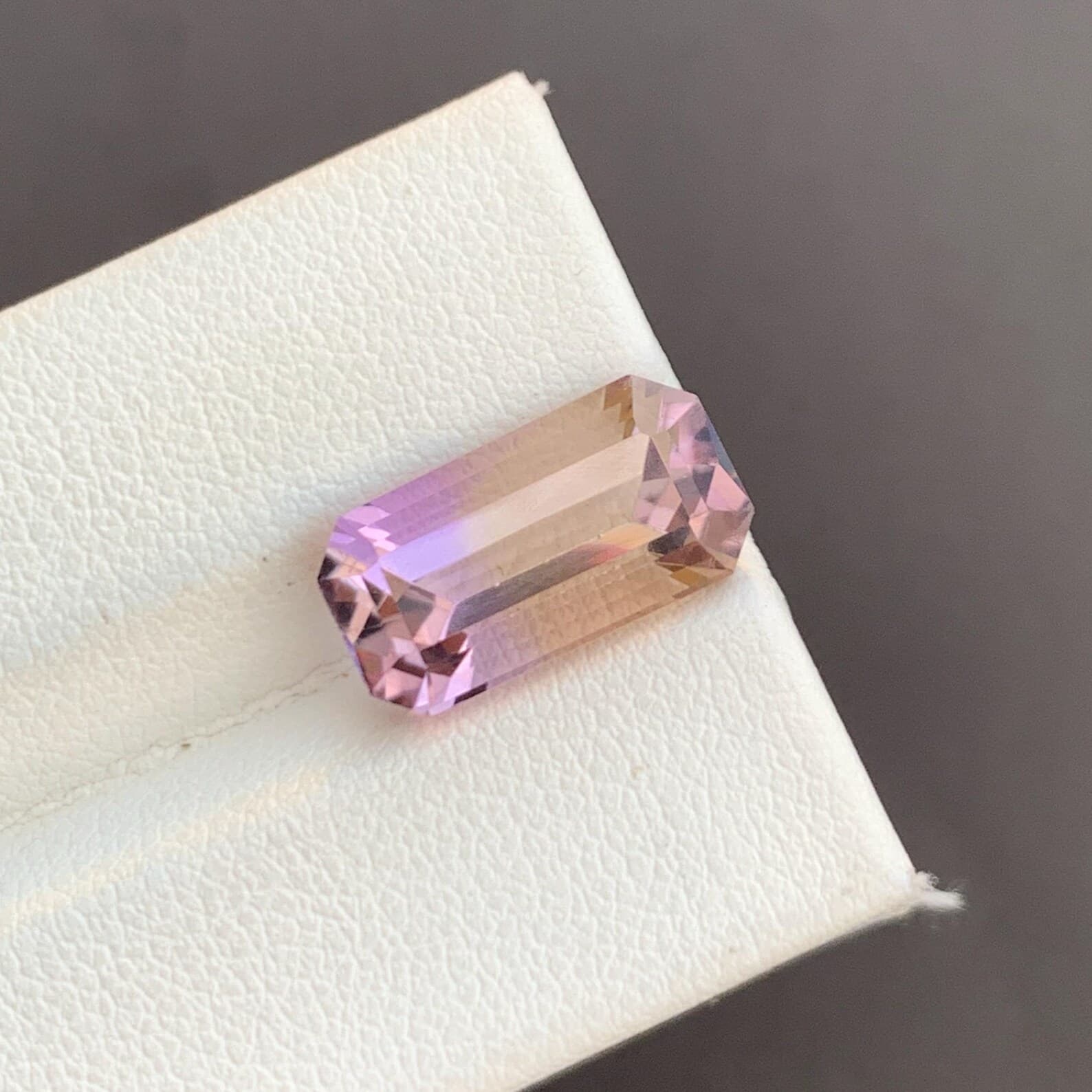
Virtually all natural ametrine comes from the Anahí mine in Bolivia. Value rests on a crisp, well-centred boundary between purple and gold, and on a cut that presents both colours evenly through the table.
Ametrine at a glance
- Mineral family
- Quartz
- Chemical formula
- SiO2
- Mohs hardness
- 7
- Refractive index
- 1.544 - 1.553
- Specific gravity
- 2.65
- Crystal system
- Trigonal
- Colours
- purple, yellow, bicolour
- Birthstone month
- February, November
- Anniversary
- ,
- Typical treatment
- Natural ametrine is untreated. Synthetic and heat-zoned imitations exist, so provenance matters.
- In stock now
- 1 stones from $84.00
What drives the price
Virtually all natural ametrine comes from the Anahí mine in Bolivia. Value rests on a crisp, well-centred boundary between purple and gold, and on a cut that presents both colours evenly through the table.
In one line: Sharpness and placement of the colour boundary, size, cut orientation.
Treatment
Natural ametrine is untreated. Synthetic and heat-zoned imitations exist, so provenance matters.
Any seller unwilling to state treatment in writing is telling you something. Every listing on this site states it.
Durability and daily wear
Warm soapy water. Avoid prolonged sunlight and sudden heat, which can blur the colour boundary.
Mohs 7, trigonal crystal system, specific gravity 2.65.
Tradition and meaning
Unites amethyst's calm with citrine's drive, associated with balanced decision-making and creative follow-through.
Birthstone for February and November. Associated with Pisces and Sagittarius. Anniversary stone: , .
Frequently asked
What causes the two colours in ametrine?
Different oxidation states of iron in adjacent growth sectors of the same crystal, formed under a natural temperature gradient. One sector becomes amethyst, the neighbouring one citrine.
Where does ametrine come from?
Nearly all commercial natural ametrine originates from the Anahí mine in eastern Bolivia. Material claiming other origins warrants scrutiny.
How should ametrine be cut?
The best cutting places the colour boundary along the centre of the stone so both colours read equally face-up. Emerald and rectangular cuts show the division most cleanly.